Armenia's cadastre: how to check a land plot before you buy
How do you check a land plot in Armenia's cadastre?
The check is built around the plot's cadastral number. With it, you get a unified certificate of rights and restrictions from the Cadastre Committee: who the owner is, the area and land category, the designated purpose, and whether there are mortgages, seizures or easements. The second step is to compare the cadastral map with what you see on the ground: the fence, the access road, the neighbouring buildings. The third is to look at the community's planning restrictions: what may be built on this spot at all. All three steps come before the deposit, not after. A plot differs from an apartment in that paper and reality diverge more often: the boundaries are shifted, part of the area is taken by someone else's road, the purpose is not the one the seller describes.
The cadastral number and what it tells you
The cadastral number is the plot's address in the state register. It is tied to the community and the block, and everything else is pulled up by it: the history of rights, the area, the category.
The first thing to get from the seller is exactly this number, not a description like "a plot by the turn to Yeghvard". Without the number, no check is possible.
The unified certificate: what to read
In the certificate, look at these in order:
- Owner. Does it match the person negotiating? If a representative is selling, a power of attorney is needed.
- Area. Compare it with the listing. A difference of five to ten percent is not unusual for plots.
- Category and designated purpose. The key point: it decides whether you can build a house and whether a foreigner can own the plot.
- Restrictions. Mortgage, seizure, easement, protection zone.
- History. When and on what basis the right arose. A recent transfer shortly before the sale is a reason to ask questions.
Boundaries: paper versus fence
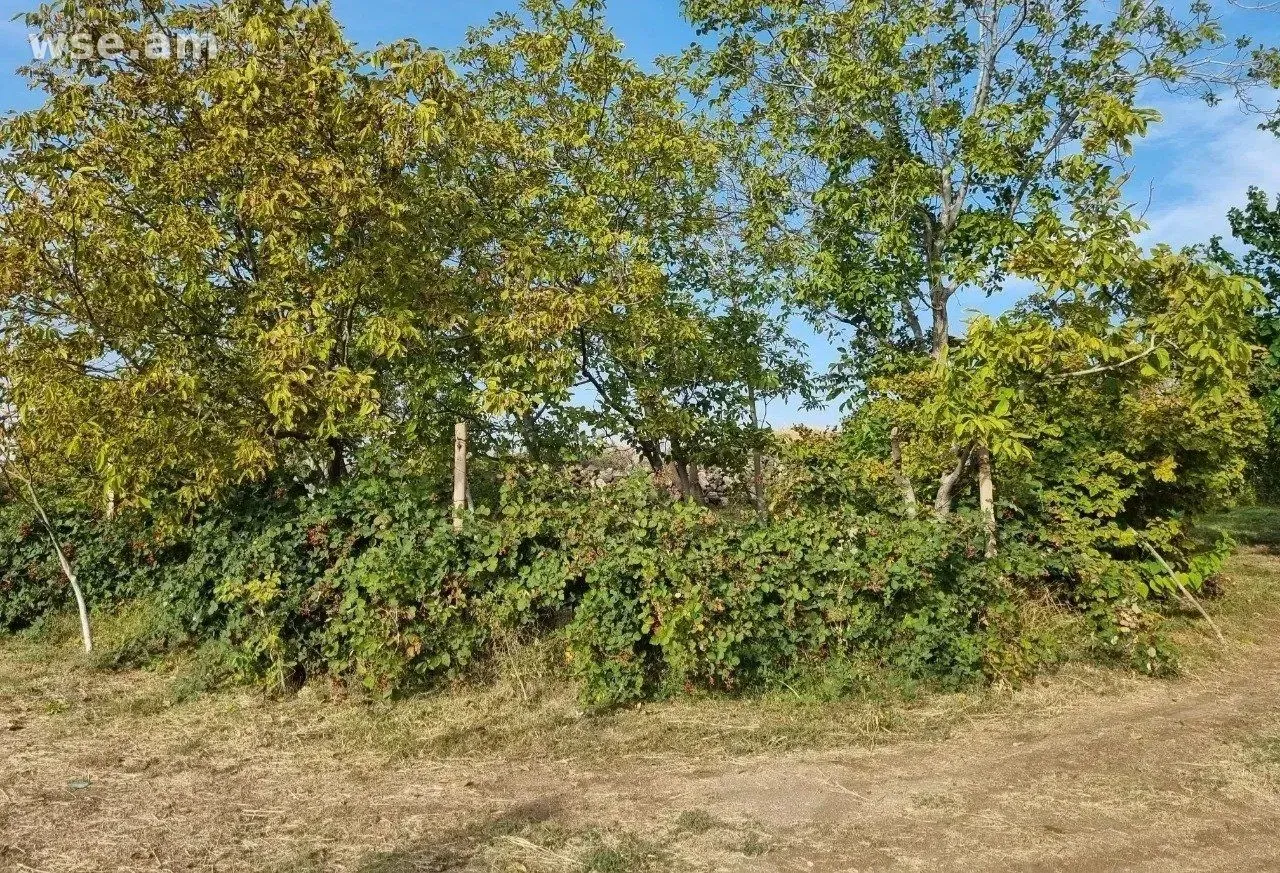
On farmland and in villages, this is the main source of surprises. Typical situations:
- the fence stands on the neighbour's plot, or the other way round, the neighbour has taken a strip of yours;
- the access road actually runs over private land, and the owner can close it;
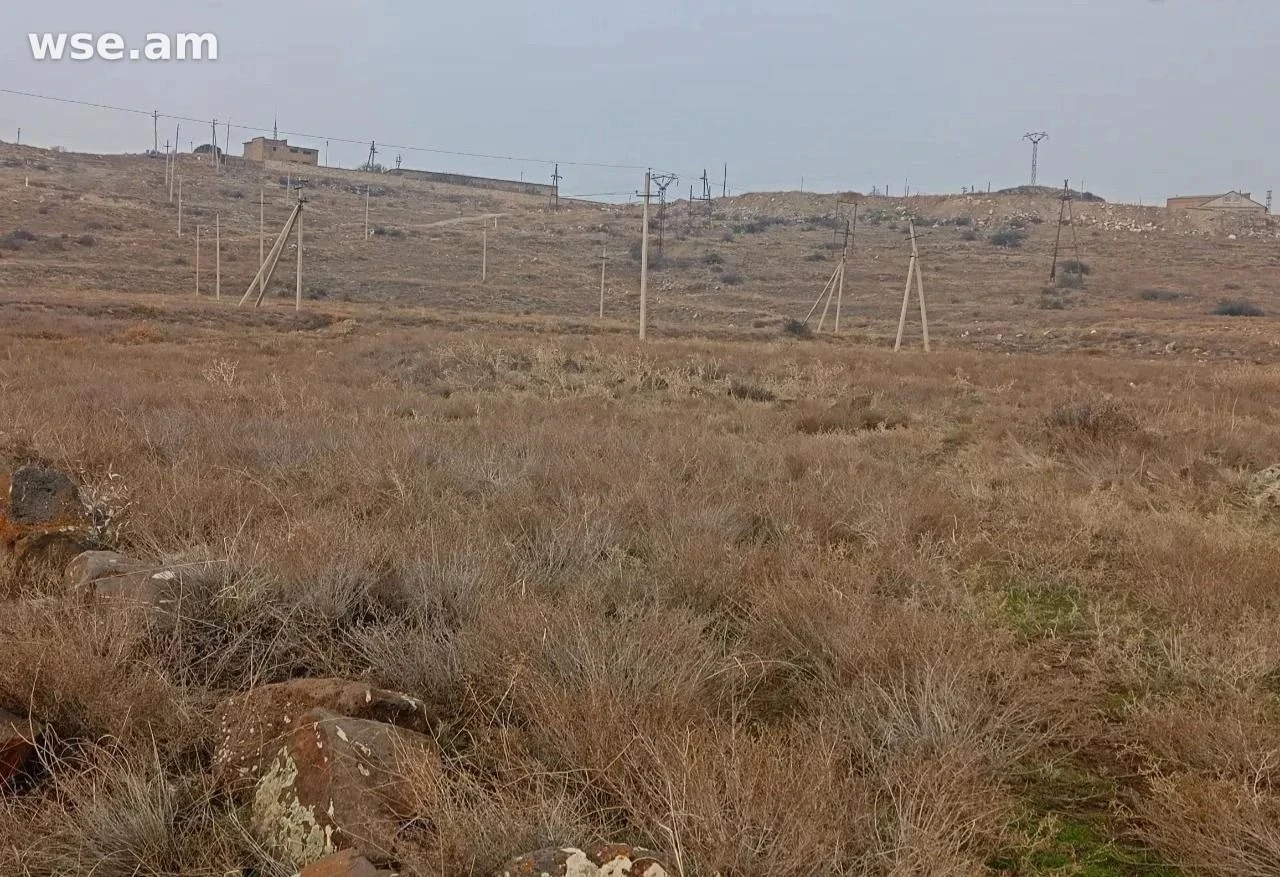
- part of the plot is taken by a power line or a gas pipeline with a protection zone.
There is only one way to check: go to the site with the cadastral map and coordinates. If the mismatch is visible to the eye, you need a land survey and a boundary correction before the deal.
Encumbrances you do not see at once
A mortgage or a seizure shows in the certificate. An easement is harder: a right to pass through the plot or to lay utilities across it. It may be registered, or it may exist in practice because "people have always walked this way".
A separate issue is protection zones around utility networks, water protection zones and zones around monuments. They restrict construction, but listings do not mention them.
What to ask the community
The cadastre answers the question "whose plot is it and what is on record about it". The question "what may be built here" is answered by the community's planning documents: the number of floors, the share of the plot you may build on, setbacks from the boundaries, the street red lines.
It is a free request that protects the project budget. Sometimes a plot is formally for development, but after all the setbacks the buildable footprint turns out to be half of what you expected.
Step-by-step order
- Get the cadastral number.
- Order the unified certificate.
- Check that the category and purpose match your plans for the plot.
- Visit the site with the map.
- Request the planning restrictions from the community.
- Check access to utilities and the cost of connection.
- Only then discuss a deposit.
Frequently asked questions
Can you check a plot online?
Basic information is available by cadastral number, but the legally valid document is the official certificate. That is what the deal needs.
Who orders the certificate, the seller or the buyer?
Either party can order it. Normal practice: the buyer gets a fresh certificate, not the one the seller has been showing since last year.
What if the actual area is larger than in the cadastre?
You are buying what is in the cadastre. The extra land is not legally yours, and legalising it is a separate procedure with an unpredictable result.
Is a notary needed?
A land deal goes through a notary and the registration of the right.
We can help check a specific plot before you pay a deposit: contact us.
We'll find an apartment for your budget
Answer 4 questions and an agent will send matching apartments via Telegram or WhatsApp.
Looking for property in Yerevan?
Browse current listings in our catalogue