Cost of Living in Yerevan in 2026: Rent, Food, Transport
By WSE.AM editorial team, edited by Mark Muzyka · Updated 12 October 2026
How much does it cost to live in Yerevan? Rent, utilities, groceries, transport and mobile plans broken down by category, for a single person and a family.
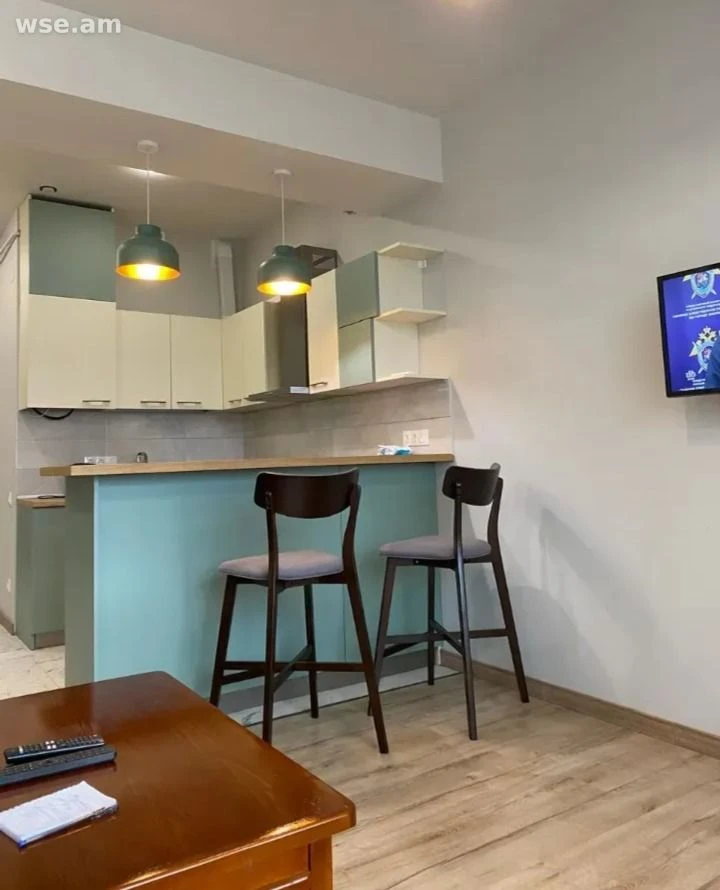
How much money do you need to live in Yerevan?
The short answer: there is no single figure. Your budget depends on the district, your habits and the type of home, but rent is always the biggest expense. Prices vary a lot across the city. The most expensive housing is in Kentron (the city centre) and around the Cascade, Mashtots Avenue and Northern Avenue: the price includes the location, the renovation and being close to cafes and offices. Residential and semi-peripheral districts such as Arabkir, Malatia-Sebastia, Avan, Nor Nork and Davtashen are noticeably cheaper with comparable comfort, especially if the building is not right next to a metro station. A new build with fresh renovation, a lift and parking costs more, while an unrenovated Soviet-era flat is the cheapest option. The second expense is utilities: in winter the gas bill goes up, since most apartments are heated with gas, and in summer electricity takes over. When renting, always ask whether utilities are included in the rent, and ask for a written contract.
"How much money do I need to live in Yerevan?" is a question everyone planning a move asks. There is no universal answer: it all depends on the district, your lifestyle, and whether you rent a studio near the metro or a family apartment in a new build. Below is an honest breakdown by category so you can put together your own budget. We give ranges and descriptions rather than fixed amounts: the dram exchange rate and inflation move, so always double-check current prices before you move.
Rent: the biggest expense
Rent almost always takes the largest share of the budget. The range is huge and depends above all on the district and the condition of the apartment.
- The centre (Kentron) and the areas around the Cascade, Mashtots Avenue and Northern Avenue. The most expensive housing: you pay for the location, the renovation and the proximity to cafes and offices. Studios and 1-room apartments here cost noticeably more than the city average.
- Residential and semi-peripheral districts: Arabkir, Malatia-Sebastia, Avan, Nor Nork, Davtashen. Noticeably cheaper than the centre with comparable comfort, especially if the building is not right by the metro.
- New builds vs resale. Fresh renovation, a lift and parking push the price up; Soviet-era housing without renovation is the budget option.
A practical rule of thumb: a comfortable 1-room apartment in a decent district costs noticeably more than a modest studio on the outskirts, and a family 2- or 3-room apartment in the centre is already the top segment. (In Armenia the room count includes the living room, so a 2-room apartment is usually a living room plus one bedroom.) Always ask whether utilities are included, and ask for a contract.
Utilities
By the standards of many countries, utilities in Yerevan are moderate, but they depend on the season and the size of the apartment. The main components:
- Electricity and gas. Gas is a common way to heat apartments, and gas bills rise in winter. In summer the main load is electricity, because of air conditioning.
- Water is usually a small item.
- Building maintenance in new builds (concierge, cleaning, lift) adds a fixed monthly fee.
On average, utilities are noticeably higher in winter than in summer, so keep a seasonal buffer.
Groceries and eating at home
Local markets (such as the well-known city bazaars) and supermarket chains leave plenty of room to save. Seasonal vegetables, fruit, herbs, local cheese and bread are affordable and good quality. Imported goods, alcohol and delicacies cost more.
- On a budget: shop at the market, buy seasonal produce and cook at home, and a family of two or three can keep food spending quite moderate.
- Comfortable: regular shopping at premium supermarkets and buying imported products push the bill up noticeably.
Cafes and restaurants
Yerevan has a strong coffee and restaurant culture, and it is easy both to save and to spend here.
- A takeaway coffee and breakfast at a coffee shop are an inexpensive daily treat.
- Lunch at a casual cafe is moderately priced.
- Dinner for two at a mid-range restaurant with wine is already a noticeable amount.
If you eat out often, this category can match your grocery spending.
Transport
Public transport is one of the cheapest items in Yerevan. Fares on the metro, buses and minibuses are nominal compared with European cities. Taxis booked through ride-hailing apps are cheap and popular, and many newcomers use them every day instead of owning a car. Running your own car (fuel, parking, insurance) is a separate and much heavier budget.
Mobile and internet
Mobile service and home internet in Armenia are pleasantly affordable. Several large operators offer plans with lots of mobile data for little money. High-speed home fiber is also inexpensive. For one person, phone and internet are among the smallest lines in the budget.
Healthcare
Private healthcare in Yerevan is well developed, and many newcomers use paid clinics. A specialist consultation and basic tests are moderately priced by international standards. It is worth budgeting for voluntary health insurance or for one-off visits: this makes your spending more predictable, especially for a family with children. Exact prices vary a lot between clinics, so check locally.
Entertainment and leisure
Cinema, concerts, the gym, the pool, children's activities, weekend trips around the country: all of this is accessible and adds to your quality of life. A gym membership and trips to the cinema are moderate expenses; frequent travel and an active lifestyle make this category bigger.
How much to budget: single person and family
Let's pull the logic together, not as hard numbers but as a guide by level.
Single person
- Budget scenario: a studio on the outskirts, cooking at home, public transport, the occasional cafe. The most economical lifestyle, and still quite comfortable.
- Comfortable scenario: a 1-room apartment closer to the centre, regular cafes, taxis, a gym. The budget is noticeably higher than the basic one.
Family with a child
- Renting a 2- or 3-room apartment, more groceries, children's activities or a private kindergarten or school make up the biggest share. Private education can become the second-largest expense after housing.
What to keep in mind
The main variables are exchange rates and inflation. The dram has been relatively strong in recent years, but do not lock in your calculations as if they were fixed. A practical approach: choose the district and type of home you want (this sets 40-60% of the budget), then add the fixed costs of utilities and phone, and on top of that the flexible spending on groceries, cafes and leisure, which is the easiest to control. This gives you a realistic range for your lifestyle, and you can pin down the exact amounts on the ground when you view apartments.
---
Apartments in Yerevan | Rentals | New builds: find your property with WSE.AM.
Frequently asked questions
Which district of Yerevan is the most expensive to rent in? Housing is most expensive in Kentron and around the Cascade, Mashtots Avenue and Northern Avenue: the price covers the location, the renovation and the proximity to cafes and offices. Arabkir, Malatia-Sebastia, Avan, Nor Nork and Davtashen are noticeably cheaper with comparable comfort.
Are public transport and taxis expensive in Yerevan? No, transport is one of the cheapest expenses. Fares on the metro, buses and minibuses are nominal compared with Europe, and taxis booked through apps are cheap, so many newcomers use them instead of their own car.
How much do mobile service and internet cost in Armenia? Phone service in Armenia is inexpensive: several large operators offer plans with lots of mobile data for little money. Home fiber internet is also cheap, and for one person it is one of the smallest lines in the budget.
What share of the budget does housing take in Yerevan? Your choice of district and type of home sets roughly 40-60% of the budget, so start your calculation with rent. Then add the fixed costs of utilities and phone, and on top of that the flexible spending on groceries, cafes and leisure.
All articles · Property catalog · Contact